
Choosing the right Lavender Oil Supplier affects more than purchase price. It influences product consistency, customer trust, and long-term business stability. A reliable supplier should explain where the lavender is grown, how it is harvested, and which extraction method is used. These details help buyers judge freshness and authenticity.
Look for clear batch records and practical quality evidence. A professional supplier can provide certificates of analysis, testing for purity, and traceability from field to bottle. The oil should arrive in suitable packaging, such as sealed amber glass, with batch numbers and storage guidance. These small details matter when aroma, color, and performance must remain consistent.
Ask direct questions.
Experienced suppliers usually discuss seasonal changes honestly. Lavender grown in different regions may produce slightly different scents. That variation is not always a defect, but it should be documented and managed. A dependable partner also communicates lead times, minimum orders, labeling requirements, and responses to quality concerns.
No supplier is flawless. Even careful evaluations can miss a detail, especially when buyers rely only on polished websites or attractive claims. Independent testing may still be valuable for sensitive applications. It is also wise to request a sample before making a large commitment. In real purchasing work, trust develops through repeated deliveries, accurate documents, and responsive communication. Selecting a reliable Lavender Oil Supplier therefore requires evidence, practical experience, and thoughtful questioning rather than promises alone.
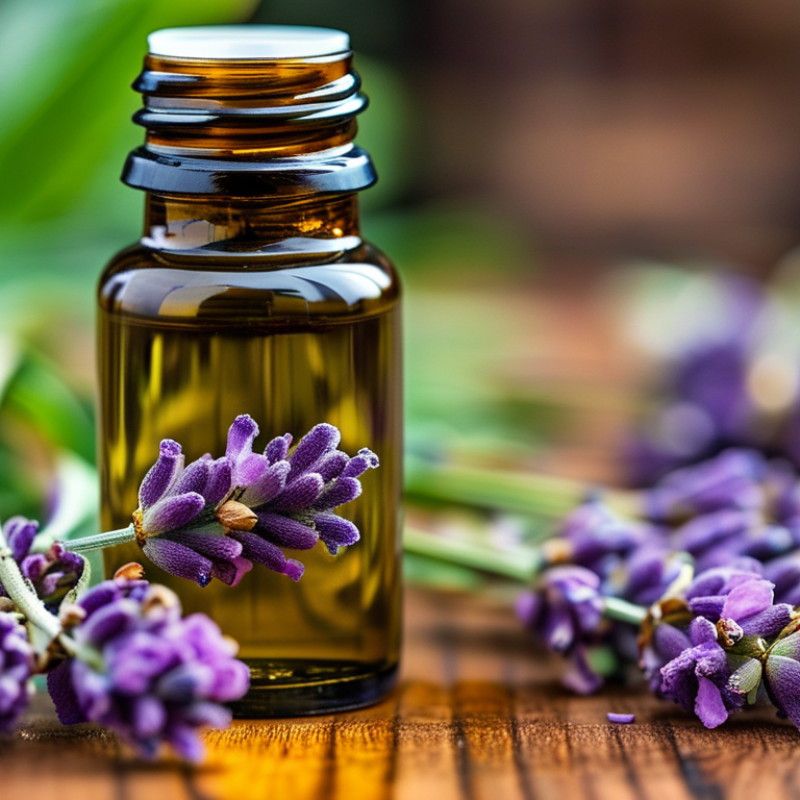
A reliable supplier starts with traceable lavender, not attractive packaging. Each batch should show the botanical name, cultivation region, harvest date, extraction method, and lot number. ISO 3515:2002 defines quality parameters for oil from Lavandula angustifolia. It also identifies key compounds, including linalool and linalyl acetate. These details help buyers compare samples with recognized specifications.
Testing must be practical and independent. Gas chromatography–mass spectrometry can reveal the oil’s chemical profile and possible dilution. A current certificate of analysis should report density, refractive index, optical rotation, and chromatographic results. Testing matters. The International Fragrance Association publishes safety standards for fragrance materials, while the European Pharmacopoeia provides quality guidance for selected essential oils. A serious supplier understands both technical data and intended use.
Experience appears in small decisions. Ask how dark bottles are sealed, stored, and shipped. Lavender oil can change when exposed to heat, light, or air. A dependable supplier keeps retained samples and answers questions without vague promises. I would still question unusually low prices. They may reflect efficient sourcing, but they may also hide weaker testing. No document replaces a fresh sample, a clear specification, and a supplier willing to discuss an imperfect result.
Why Choose a Reliable Lavender Oil Supplier?
Lavender oil purity begins with disciplined testing, not attractive packaging. A reliable supplier should identify the botanical species, growing region, harvest date, and extraction method. These details create traceability from field to finished bottle. In practical quality checks, gas chromatography–mass spectrometry reveals the oil’s chemical fingerprint. The European Pharmacopoeia’s lavender oil monograph evaluates key compounds, including linalool and linalyl acetate. Their expected proportions help laboratories detect dilution or unusual processing. Small deviations matter.
ISO 3515 also provides technical requirements for oil of lavender from Lavandula angustifolia. Testing commonly includes relative density, refractive index, optical rotation, and chromatographic composition. A professional certificate of analysis should show actual results, test methods, batch numbers, and laboratory dates. It should not merely state “100% pure.” That phrase proves very little. I have seen purchasing teams focus on aroma alone, yet fragrance can change with storage, oxidation, or harvest conditions. Smell remains useful, but it is not enough.
Storage quality deserves equal attention. Light, heat, oxygen, and repeated opening can gradually alter volatile compounds. A supplier should use sealed, compatible containers and document warehouse conditions. Independent laboratory verification adds credibility, especially when results are easy to review. Still, no certificate should be accepted blindly. Testing frequency, sampling procedures, and laboratory competence require questions. Quality control is not perfect. It is a continuing process, supported by recognized standards and honest records.
Why Choose a Reliable Lavender Oil Supplier?
Why Testing and Traceability Matter in Oil Sourcing
Reliable lavender oil sourcing begins with evidence, not attractive color or a strong aroma. Each batch should have clear records, including harvest date, growing region, extraction method, and storage conditions. These details help buyers understand how the oil was handled before reaching production.
Testing adds another layer of confidence. A professional supplier should provide current laboratory reports for identity, purity, and composition. Gas chromatography–mass spectrometry can help confirm the oil’s chemical profile. Testing may also examine pesticides, heavy metals, residual solvents, and microbial quality. Not every result tells the whole story. A certificate alone is not enough.
Traceability connects laboratory data with the physical batch. Lot numbers should appear on containers, invoices, and test documents. This simple link makes investigations faster when an aroma changes or a formulation performs poorly. Good suppliers can explain who processed the oil, where it was stored, and when it moved.
Small details matter.
In practical sourcing work, records are sometimes incomplete, even with careful suppliers. That weakness deserves honest review, not concealment. Buyers should ask how samples were collected, which laboratory performed the analysis, and how often testing occurs. Independent verification may be worthwhile for high-volume purchases. A dependable supplier welcomes reasonable questions and updates records when new information appears.
Testing and traceability help verify that lavender oil matches recognized quality specifications and can be linked to its origin, processing batch, and laboratory records.
Reference values shown are based on ISO 3515:2002 for lavender oil from Lavandula angustifolia. Linalool and linalyl acetate are shown as reference ranges; camphor and 1,8-cineole are shown as maximum limits. These values are specifications, not results from a particular company or brand.
A reliable lavender oil supplier protects quality long after distillation. Packaging is not decoration; it controls light, oxygen, heat, and contamination. Amber glass bottles reduce ultraviolet exposure, while airtight closures limit evaporation and oxidation. The United States Pharmacopeia’s General Chapter <659> identifies protection from light, moisture, and excessive temperature as key storage requirements.
Supplier records should show batch numbers, filling dates, container materials, and storage conditions. ISO 22716 good manufacturing practices also emphasize documented handling, cleanliness, and traceability. These details help buyers compare a fresh, floral aroma with an altered, sharp one. I have found that small packaging choices matter. A loose cap can change the scent before the bottle appears damaged.
The International Fragrance Association and professional essential-oil guidance recommend cool, dark storage away from heat and repeated air exposure. A practical target is stable room temperature, ideally below 25°C, with minimal headspace in larger containers. Extreme temperature cycling deserves attention. Moving oil from a warm warehouse to a cold truck can encourage condensation near the closure. That risk is easy to overlook. Suppliers should use suitable secondary packaging, inspect seals, and record warehouse temperatures. A 2021 stability review in Molecules also linked heat, light, and oxygen exposure with changes in volatile oil components, including linalool and linalyl acetate. Quality testing should verify identity and composition through methods such as gas chromatography, not aroma alone.
Why Choose a Reliable Lavender Oil Supplier?
A reliable lavender oil supplier should provide more than an attractive price. In my experience, compliance is the first practical checkpoint. Ask for current certificates of analysis, safety data sheets, botanical names, origin details, and batch numbers. These documents should match the physical product. A pale amber sample with a clear, clean aroma can reveal useful information, but appearance alone proves very little. Independent testing may confirm purity, key compounds, and the absence of unwanted residues.
Service also deserves close attention. A capable supplier answers technical questions clearly and keeps records organized. They should explain extraction methods, storage conditions, shelf life, and packaging options. Small details matter. Does the drum arrive sealed? Is the label readable? Can the supplier provide a replacement sample when results seem inconsistent? Communication sometimes fails, even with experienced teams. That is why written specifications and agreed testing procedures are safer than informal promises.
Tips: Compare at least three suppliers using the same checklist. Request a recent sample and its matching test report. Check whether batch data remains consistent across several orders. Evaluate response time, not just politeness. A low price can become expensive when aroma changes, delivery slips, or documentation is incomplete. Value means dependable quality, practical support, and predictable supply. Still, no supplier is perfect. Regular reviews help expose weak points before they affect production.
| Assessment Dimension | Measurable Indicator | Recommended Acceptance Criteria | Evidence to Request | Assessment Status | Weight |
|---|---|---|---|---|---|
| Regulatory Compliance | Applicable legal and safety requirements are identified before purchase. | Supplier provides current documentation for the destination market, including an SDS prepared in the applicable 16-section format and relevant chemical registration information where required. | Safety Data Sheet, regulatory declaration, product classification, transport information, and destination-market compliance statement. | Pass if complete | 20% |
| Botanical Identity | Correct botanical source, plant part, extraction method, and country or region of origin. | Product identity matches the purchase specification, such as Lavandula angustifolia oil, with no unexplained substitutions or changes. | Technical Data Sheet, botanical declaration, origin statement, extraction description, and batch-specific Certificate of Analysis. | Critical check | 15% |
| Authenticity and Purity | Chromatographic profile and physical properties are consistent with the agreed specification. | Batch passes GC-MS or GC-FID identity testing and meets agreed limits for appearance, odor, relative density, refractive index, and optical rotation, where applicable. | Independent or qualified laboratory report, batch COA, chromatogram, and defined release specification. | Critical check | 20% |
| Contaminant Control | Risk-based testing for pesticides, heavy metals, solvents, and microbiological contamination. | Results comply with the legal and customer limits applicable to the intended use. Testing frequency is justified by risk and supply-chain history. | Recent test reports, sampling plan, contaminant limits, laboratory accreditation details, and corrective-action records if applicable. | Pass if documented | 10% |
| Batch Traceability | Raw material, production, filling, and shipment records can be linked through one batch code. | Every shipment has a unique lot number, production or filling date, retained sample reference, and traceable source records. | Traceability procedure, sample batch record, lot-code format, recall procedure, and retained-sample policy. | Pass if verifiable | 10% |
| Packaging and Storage | Packaging protects the oil from light, heat, oxygen, leakage, and contamination. | Container material and closure are compatible with essential oils; packaging is sealed, clearly labeled, and stored under documented conditions. | Packaging specification, label sample, storage-temperature range, shelf-life or retest policy, and transport protection details. | Pass if suitable | 5% |
| Quality Consistency | Variation in key analytical and sensory results between batches. | Consecutive batches remain within the agreed specification, with deviations investigated and communicated before shipment. | At least three recent anonymized COAs, specification history, deviation procedure, and change-control records. | Review trend | 8% |
| Service Reliability | Response time, order accuracy, lead-time adherence, and complaint handling. | Supplier defines standard lead time, confirms orders in writing, provides shipment updates, and acknowledges quality complaints within an agreed business period. | Service-level agreement, order-confirmation sample, delivery-performance records, escalation contacts, and complaint workflow. | Pass if measurable | 5% |
| Supply Continuity | Ability to manage harvest variation, capacity constraints, and emergency requirements. | Supplier maintains a documented continuity plan, communicates expected shortages early, and identifies qualified backup sources where permitted. | Business-continuity plan, capacity statement, inventory policy, seasonal availability calendar, and change-notification procedure. | Review risk | 4% |
| Commercial Value | Total cost rather than unit price alone. | Evaluation includes oil price, testing, packaging, freight, minimum order quantity, payment terms, rejected-batch risk, and waste or rework costs. | Comparable quotation, Incoterms, freight assumptions, minimum order quantity, payment terms, and replacement or credit policy. | Compare total cost | 3% |
Each batch should include the botanical name, growing region, harvest date, extraction method, and lot number. The same lot number should appear on the container, invoice, and test report. Clear records make problems easier to investigate.
Laboratory tests help confirm identity, purity, and chemical composition. Gas chromatography can reveal the oil’s profile and possible dilution. Reports may also examine pesticides, heavy metals, residual solvents, and microbial quality. Testing matters.
No. A certificate should match the physical batch and include recent results. Buyers should ask about sample collection, laboratory methods, and testing frequency. A document cannot replace a fresh sample.
Ask where the lavender was grown, processed, stored, and shipped. Confirm that every document uses the same lot number. Traceability connects laboratory results with the actual bottle or drum.
Lavender oil should be protected from heat, light, and air. Check whether containers are tightly sealed and clearly labeled. Dark bottles can help reduce light exposure. Storage records should state location and conditions.
Use one checklist for at least three suppliers. Request a recent sample with its matching test report. Compare composition, documentation, response time, packaging, and delivery consistency. Price alone is a weak guide.
A capable supplier answers technical questions directly. They explain extraction, shelf life, storage, and packaging options. They should provide replacement samples when results seem inconsistent. Communication sometimes fails.
Be cautious about unusually low prices, incomplete records, vague answers, or changing batch data. A strong aroma and attractive color prove very little. Suppliers can make mistakes, so regular reviews remain useful. No supplier is perfect.
Choosing a reliable Lavender Oil Supplier is essential for obtaining a consistent, pure, and effective product. A trustworthy supplier should demonstrate clear sourcing practices, stable production capabilities, and a commitment to quality standards. Purity is influenced by factors such as botanical origin, harvesting methods, extraction processes, and careful handling. Suppliers that follow recognized quality procedures can help ensure that the oil maintains its natural aroma, composition, and performance.
Testing and traceability are also important because they allow buyers to verify the oil’s identity, purity, and batch history. Proper packaging and storage protect lavender oil from light, heat, air, and contamination, helping preserve its quality throughout transportation and shelf life. When assessing a supplier, customers should consider compliance documentation, laboratory testing, communication, delivery reliability, customization options, and overall value. By reviewing these factors together, businesses can select a dependable partner that supports product consistency, customer confidence, and long-term sourcing needs.
