
Choosing the China Best 100% Lavender Oil Wholesale Supplier? The answer requires more than a polished website or a low quotation. A dependable supplier should show botanical identity, extraction details, batch records, and consistent test results. For lavender oil, small differences matter. A pale golden liquid may smell fresh, herbal, and slightly sweet. Another batch may smell sharp, flat, or unusually camphoraceous.
Robert Tisserand, an internationally recognized essential-oil safety educator, has stated, “The quality of an essential oil is determined by its chemical composition.” This principle remains practical for wholesale buyers. Ask for the Latin name, usually Lavandula angustifolia or Lavandula latifolia. Request a current certificate of analysis, GC-MS report, allergen information, and origin details. Verify whether the oil is steam-distilled, properly stored, and packed in light-resistant containers. A serious supplier should answer clearly, not hide behind vague terms such as “premium grade.”
Experience also teaches caution. “100% Lavender Oil” may describe purity, but it does not automatically prove quality, freshness, or suitability for every product. A sample can smell excellent today and perform differently after storage. Test several batches before signing a large contract. Compare aroma, color, solubility, documentation, and delivery consistency. I would not call any supplier “best” without reviewing these details. That judgment can change after one missing report, one delayed shipment, or one unstable batch. A reliable Chinese wholesaler earns trust through transparent records, responsive communication, and repeatable quality—not attractive claims alone.
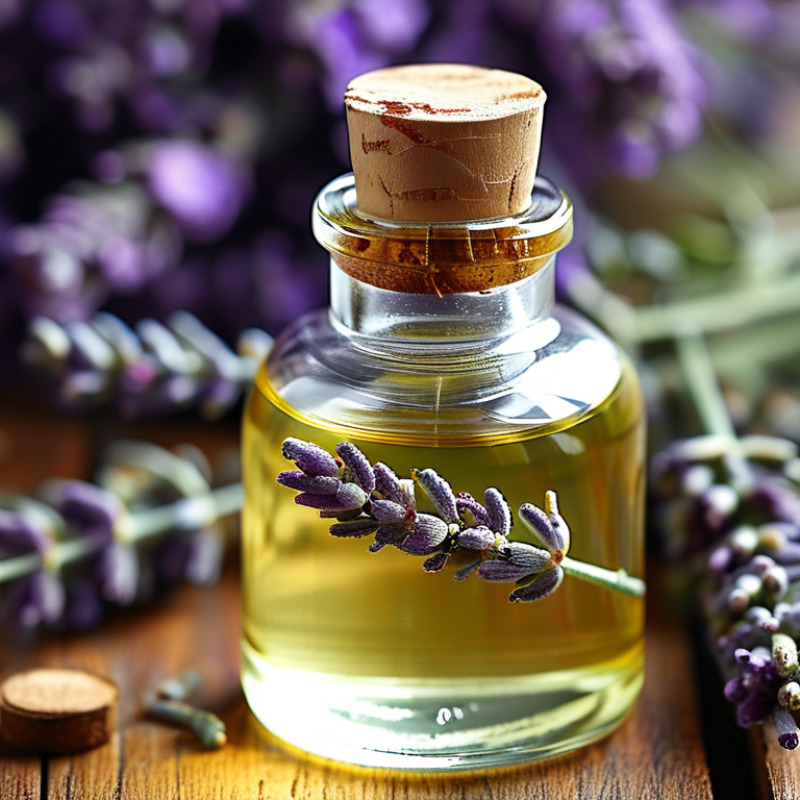
Understanding 100% Lavender Oil and Its Wholesale Standards begins with precise identification. “100%” usually means undiluted essential oil, not automatic proof of purity. The botanical name matters. Lavandula angustifolia, lavandin, and spike lavender have different aromas and chemical profiles. A serious wholesale supplier should state the species, plant part, harvest region, and steam-distillation method. Country of origin alone is not enough.
A reliable batch comes with clear documentation. Request a current certificate of analysis, GC-MS report, batch number, and production date. Check specific gravity, refractive index, appearance, and characteristic aroma. Testing for pesticides, heavy metals, and microbial concerns may also be relevant to the intended use. A sharp, pleasant smell is useful, but it cannot replace laboratory evidence. That is an easy mistake.
Wholesale standards also include handling after distillation. The oil should be stored away from heat, light, moisture, and strong odors. Amber glass or suitable metal containers help protect quality during transport. Seals must be intact, and labels should show essential safety information. For cosmetic or fragrance applications, buyers should review allergen data and applicable safety documentation. Packaging can look professional and still hide weak traceability. Ask for retained samples, compare them with the delivered batch, and record every inspection. Purity is not a slogan; it is a process that must be checked repeatedly.
China offers many lavender oil suppliers, but “100% pure” is not enough evidence. Evaluate the botanical name, growing region, extraction method, and batch traceability. True lavender oil should identify Lavandula angustifolia or another declared species, not simply “lavender essence.” ISO 3517 provides useful quality guidance for lavender oil, including key chemical characteristics.
Independent testing matters. Request a recent GC-MS report, certificate of analysis, safety data sheet, pesticide results, heavy-metal screening, and microbial testing. Compare the report with the actual batch number on the drum. A polished certificate can still be outdated. This is where buyers often become careless.
Market data supports careful sourcing. Grand View Research estimated the global essential oils market at about USD 8.8 billion in 2023, with strong projected growth through 2030. Growth attracts capable manufacturers, but also creates inconsistent documentation. Customs records, factory audits, and customer references provide stronger evidence than website claims. I would also inspect storage conditions: cool rooms, sealed containers, light protection, and clean filling equipment.
Ask for a 100–500 gram sample before placing a bulk order. Test aroma, color, density, refractive index, and oxidation markers. Confirm whether the oil is steam-distilled or blended. Clarify minimum order quantity, packaging, lead time, and replacement terms in writing. No checklist is perfect. An on-site or third-party audit remains worthwhile.
For a wholesale buyer, lavender oil should be verified as a traceable batch, not judged by fragrance or price. Ask for the botanical name, plant part, extraction method, harvest year, and cultivation country. Country of shipment is not country of cultivation. UN Comtrade places many essential oils under HS 330129, so customs data cannot prove lavender origin. Request farm records, harvest dates, transport documents, and a lot-specific certificate of analysis. The paperwork may still be incomplete.
Purity requires more than a clear liquid and a pleasant aroma. Require GC-MS testing, supported by optical rotation, relative density, refractive index, and peroxide value. Compare the reported profile with ISO 3515:2002 requirements for lavender oil. Look for unusual peaks, excessive solvent residues, and missing pesticide or heavy-metal results. Independent laboratory testing is stronger than a supplier-only report, although it adds time and cost. That cost is often cheaper than rejecting a contaminated shipment.
Certification scope deserves close attention. Eurostat reported that organic farmland represented 10.5% of European Union agricultural land in 2022, increasing demand for credible organic claims. However, an organic certificate may cover the farm, not the oil-processing facility or every purchased lot. Check the certificate number, validity dates, certified activities, and chain of custody. Confirm whether quality systems follow relevant GMP or ISO procedures. A certificate is evidence, not proof of every quality claim.
Wholesale buyers should compare more than the lowest quotation. Grand View Research valued the global essential oils market at about USD 21.8 billion in 2022. It also projected an 8.7% annual growth rate through 2030. This growth increases pressure on reliable lavender oil supply. Ask suppliers for annual output, monthly capacity, batch size, and peak-season allocation. A factory offering 20 tons yearly may not support a 5-ton monthly contract.
Production details reveal practical differences. Request harvest regions, extraction method, storage temperature, and recent batch records. ISO 3515 provides technical requirements for lavender oil, including key quality characteristics. Independent testing should confirm the botanical name, major compounds, purity, and possible adulteration. A clean chromatogram matters more than polished sales language. Sometimes, it is not enough.
Pricing also needs careful calculation. Compare the cost per kilogram after packaging, testing, documentation, and delivery. UN Comtrade trade data can help buyers review China’s essential-oil export patterns and identify changing price conditions. Wholesale services should include stable lead times, private labeling support, sample approval, and responsive claims handling. One overlooked issue is capacity transparency. Suppliers may quote equipment capacity, not actual lavender oil production. That difference deserves written confirmation before a long-term order. Check twice.
China Best 100% Lavender Oil Wholesale Supplier?
Selecting a Chinese lavender oil supplier requires evidence, not polished photographs. Grand View Research estimated the global lavender oil market at USD 1.08 billion in 2022, with a projected 7.6% CAGR through 2030. Rising demand makes verification essential.
Ask for the botanical name, plant origin, harvest season, extraction method, and batch number. Request a recent GC-MS report from an independent laboratory. Check linalool, linalyl acetate, camphor, and adulteration markers against ISO 3515:2002 guidance. A “100% pure” label proves little alone. The oil should arrive in a sealed, light-resistant container with a traceable lot code.
Evaluate the supplier’s factory, not just its catalog. Confirm distillation equipment, cleaning records, storage temperature, and filling controls through a video audit or site visit. Request three samples from separate batches. Compare aroma, color, density, and test results. I once would have trusted one excellent sample; that approach is weak. A reliable supplier should explain yield changes, seasonal variation, and rejected batches without hesitation.
Review the safety data sheet, certificate of analysis, allergen information, and export documentation before negotiating price. Compare quotations by kilogram, concentration, packaging, testing, and delivery terms. Very low prices may indicate diluted material or incomplete testing. Keep a retention sample from every shipment. Small details matter.
Use this reference scorecard to compare suppliers. Quality verification and batch consistency should receive the highest priority, while certifications, traceability, logistics, and commercial terms support the final purchasing decision.
: It usually means undiluted essential oil. It does not prove purity. The botanical species, testing, and traceability still require verification.
The supplier should state the botanical name, plant part, harvest region, and distillation method. True lavender and related lavender species can differ in aroma and chemistry.
Request a current certificate of analysis, GC-MS report, batch number, and production date. Safety data and screening results may also be necessary. Old paperwork is risky.
Aroma can reveal obvious problems, such as a harsh or unusual smell. It cannot replace laboratory testing. A pleasant scent proves very little.
Compare the report’s batch number with the drum or bottle label. Request a retained sample before placing a bulk order. Keep inspection records.
Useful tests include density, refractive index, optical rotation, peroxide value, and GC-MS analysis. Pesticide, heavy-metal, microbial, and solvent testing may also matter.
Store it away from heat, sunlight, moisture, and strong odors. Use sealed amber glass or suitable metal containers. Check seals carefully.
No. It may cover the farm but not the processing facility or purchased batch. Check certificate dates, activities, lot coverage, and chain of custody.
Test a 100–500 gram sample first. Confirm packaging, minimum order quantity, lead time, and replacement terms in writing. A third-party audit remains worthwhile, although it costs more.
Choosing the right 100% Lavender Oil wholesale supplier in China requires more than comparing prices. Buyers should first understand what “100%” means, including the oil’s botanical identity, extraction method, purity, and suitability for the intended application. A reliable supplier should provide transparent information about the lavender’s origin, production process, batch consistency, and storage conditions. Independent laboratory reports, certificates of analysis, and relevant quality certifications can help verify authenticity and reduce purchasing risks.
Supplier evaluation should also consider production capacity, lead times, packaging options, minimum order quantities, customization services, and communication efficiency. Competitive pricing is important, but it should be assessed alongside quality, testing standards, supply stability, and after-sales support. By requesting samples, reviewing documentation, confirming manufacturing capabilities, and comparing several qualified suppliers, international buyers can make a practical and informed decision. The best supplier is one that consistently delivers genuine, traceable, high-quality lavender oil while providing dependable wholesale service and long-term cooperation.