Carvacrol is a natural compound found in oregano oil, known for its unique aroma and significant health benefits. Its antimicrobial properties make it a valuable ingredient in various industries. From food preservation to cosmetics, Carvacrol has broad applications in global markets.
Recent studies highlight Carvacrol's role in enhancing food safety. It can inhibit the growth of harmful bacteria. This makes it essential for quality control in food processing. In the cosmetics industry, Carvacrol is utilized for its antioxidant properties. This adds depth to beauty products, appealing to health-conscious consumers.
Despite its advantages, not all research agrees on Carvacrol’s effectiveness. Some studies suggest varying results when used differently. In particular, concentrations and methods of application can alter its impact. As consumers and industries explore Carvacrol's potential, continuous investigation is necessary. This ensures its safe and effective use in everyday products.
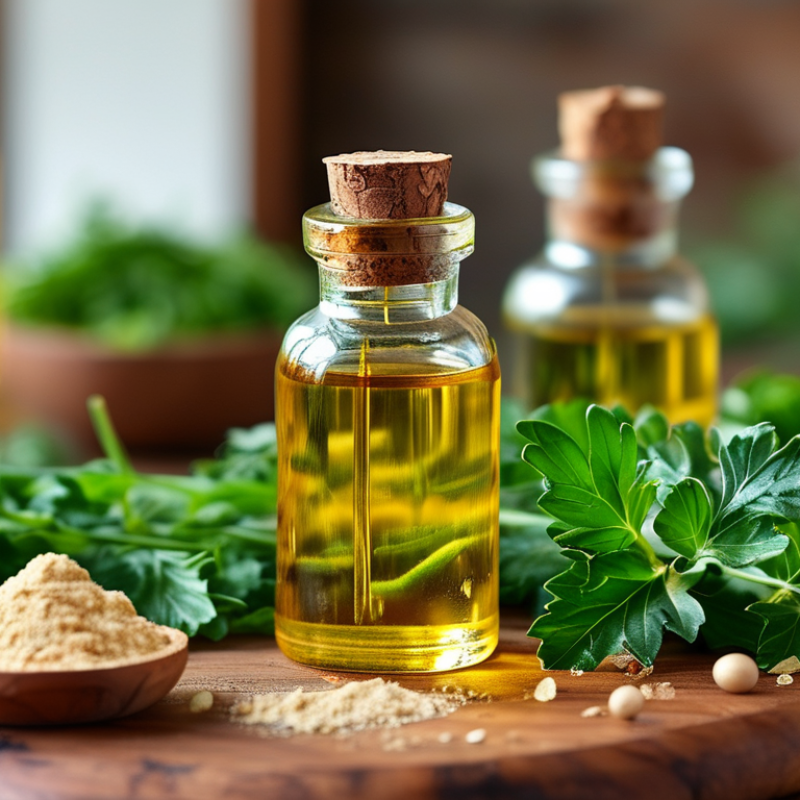
Carvacrol is a natural compound found in essential oils, particularly in oregano. This phenolic monoterpenoid stands out for its strong antimicrobial properties. Studies suggest that carvacrol can inhibit various bacteria and fungi, making it significant in food preservation and safety. Its robust aroma adds value to culinary uses. However, the variability in concentration among different plant sources can lead to inconsistent effectiveness.
In global markets, carvacrol is gaining traction in various sectors. The food industry utilizes it as a preservative due to its natural origin and safety profile. Beyond food, carvacrol finds applications in cosmetics and personal care products. Its antibacterial properties also make it a popular ingredient in cleaning supplies. Yet, the regulatory landscape around its use can vary significantly by region, leading to potential challenges for manufacturers.
Despite its benefits, reliance on carvacrol poses questions. Its extraction and concentration must be carefully managed to maximize effectiveness. The environmental impact of sourcing its plant materials can also raise alarms. As the market for natural products expands, ongoing research and ethical sourcing will shape its future.
Carvacrol is a natural compound found primarily in oregano. It has gained attention for its potential health benefits and uses in various industries. The extraction of carvacrol is crucial for its applications. One common method involves steam distillation from oregano leaves. This process ensures the retention of carvacrol's potent properties.
Another extraction technique is solvent extraction. This method utilizes organic solvents to dissolve and isolate carvacrol from raw plant material. While efficient, it may introduce impurities. Choosing a reliable extraction method is essential for maintaining carvacrol's quality.
Tips: When sourcing carvacrol, consider the method used for extraction. Quality can vary widely. Researching suppliers helps ensure you receive a pure product. Additionally, explore different natural sources. Other herbs, such as thyme, also contain carvacrol, which may offer similar benefits. Understanding the variations in extraction methods can aid in selecting the most effective product for your needs.
Carvacrol is a natural compound derived from oregano and thyme. It has gained significant attention in various industries for its health benefits. Recent reports suggest that the global market for carvacrol is projected to reach $300 million by 2025, driven by its antimicrobial and antioxidant properties.
In the food industry, carvacrol is valued for its ability to enhance flavor. Additionally, it acts as a natural preservative, extending shelf life. Studies show that it can effectively inhibit the growth of pathogens like E. coli and Salmonella, which is crucial for food safety. Its application in the pharmaceutical sector is also notable. Carvacrol exhibits anti-inflammatory and anti-fungal effects, making it an attractive ingredient for health products. A 2022 study highlighted its potential in treating respiratory diseases, reflecting its versatility in medical applications.
While carvacrol shows promise, some challenges remain. Standardization of dosage is essential for consistency in effectiveness. Furthermore, the potential interactions with other compounds require more research. The market is growing, but quality control and regulatory compliance pose ongoing challenges. Overall, continued exploration of carvacrol's potential in health-related uses can unlock significant advancements across multiple industries.
Carvacrol, a compound found in oregano oil, is utilized across various industries, including food, pharmaceuticals, cosmetics, agriculture, and animal feed. This chart illustrates the distribution of market share among these sectors, highlighting the food industry's prominent usage of carvacrol.
Carvacrol is gaining attention in global markets due to its versatile applications. Derived primarily from oregano oil, it is celebrated for its antimicrobial and antioxidant properties. A recent industry report highlighted that the carvacrol market is projected to grow at a CAGR of 7.5% from 2022 to 2027. This indicates a rising demand in food and cosmetics sectors.
Consumer interest in natural ingredients is driving this trend. The food industry increasingly utilizes carvacrol as a preservative. Its ability to enhance flavor profiles also contributes to its popularity. In cosmetics, carvacrol is valued for its skin-soothing attributes and potential health benefits. However, sourcing high-quality carvacrol remains a challenge for manufacturers.
Tip: When exploring carvacrol products, prioritize suppliers who provide transparency about their sourcing and manufacturing processes.
The market dynamics are complex and ever-evolving. Pricing fluctuations and competition from synthetic alternatives may affect market stability. Analysts express concerns about over-reliance on specific sources for carvacrol extraction. Future trends may shift as biotechnological innovations emerge, potentially changing the landscape of carvacrol production.
Tip: Stay informed about emerging technologies that could impact carvacrol sourcing. This could provide a competitive edge in a rapidly changing market.
Carvacrol is a monoterpenoid phenol found in various plants, notably oregano. Its antimicrobial and antifungal properties make it a key component in food preservation and natural health products. The growing interest in natural alternatives drives an increase in carvacrol's demand globally.
Regulatory considerations surrounding carvacrol impact its market usage significantly. Various regions have specific guidelines regarding its concentration in products. For instance, the European Union sets stringent safety assessments for food additives. Meanwhile, in the United States, regulations vary by application sector, from cosmetics to sanitizers. Future usage trends will likely hinge on harmonizing these regulations across countries.
Despite its natural origins, the perception of safety remains a concern. Studies are ongoing to evaluate potential adverse effects. This highlights the importance of comprehensive research before making blanket assumptions about its safety and efficacy. As markets continue to evolve, balancing consumer demand with regulatory frameworks will be essential for carvacrol’s sustainable growth.
| Application Area | Market Value (2023) | Growth Rate (CAGR %) | Regulatory Status | Future Outlook |
|---|---|---|---|---|
| Food and Beverage Industry | $500 Million | 6.5% | Generally Recognized as Safe (GRAS) | Increasing use in natural preservatives |
| Pharmaceuticals | $300 Million | 8.2% | Approved for certain therapeutic uses | Potential in antimicrobial treatments |
| Cosmetics | $150 Million | 5.0% | Compliant with cosmetic regulations | Rising demand for natural ingredients |
| Agriculture (Pesticides) | $100 Million | 10.0% | Registered for use in some countries | Growth due to organic farming practices |
: Carvacrol is a natural compound found in essential oils, mainly oregano. It has strong antimicrobial properties.
It is used as a preservative due to its natural origin and safety. It also enhances flavor profiles.
Carvacrol provides skin-soothing attributes and potential health benefits, adding value to personal care products.
Yes, sourcing high-quality carvacrol can be challenging due to concentration variability among plants.
The carvacrol market is expected to grow at a CAGR of 7.5% from 2022 to 2027.
Growing consumer interest in natural ingredients helps drive demand in food and cosmetics sectors.
The extraction of plant materials can have environmental impacts that need careful consideration.
Consumers should prioritize suppliers that are transparent about sourcing and manufacturing processes.
Yes, it faces competition from synthetic alternatives, which may affect market stability.
Biotechnological innovations may change carvacrol sourcing and production methods in the future.
Carvacrol is a natural phenol compound primarily found in oregano and other aromatic plants, recognized for its distinct aroma and potential health benefits. Extracted through steam distillation or solvent extraction methods, carvacrol has garnered attention in various industries for its antimicrobial properties and as a flavoring agent. Its applications extend to food preservation, cosmetics, and pharmaceuticals, reflecting a growing demand in global markets.
As market trends indicate an increasing awareness of natural ingredients, the popularity of carvacrol is on the rise. Regulatory considerations surrounding its use are evolving, with a focus on ensuring safety and efficacy in consumer products. The future outlook for carvacrol usage appears promising, driven by burgeoning consumer interest in holistic health solutions and sustainable sourcing practices.
